Android developers have a lot to look forward to in 2021, 2022, and beyond. Blockchain may decentralize how Android apps are developed, Flutter will see increased adoption for cross-platform development, and we expect big strides in AR and VR for the platform. Among the top trends in Android development, one potential innovation has caught the attention of savvy app developers: Microdroid.
Android developers and blogs were astir earlier this year when Google engineer Jiyong Park announced via the Android Open Source Project that they are working on a new, minimal Android-based Linux image called Microdroid.
Details about the project are scant, but it’s widely believed that Microdroid will essentially be a lighter version of the Android system image designed to function on virtual machines. Google is preparing for a world in which even smartphone OS’s require a stripped-down version that can be run through the cloud.
Working from a truncated Linux, Microdroid will pull the system image from the device (tablet or phone), creating a simulated environment accessible from any remote device. It has the ability to enable a world in which users can access Google Play and any Android app using any device.
What does this mean for developers?
Microdroid will open up new possibilities for Android apps in embedded and IoT spaces which require potentially automated management and a contained virtual machine which can mitigate security risks. Cloud gaming, cloud computing—even smartphones with all features stored in the cloud—are possible. Although we will have to wait and see what big plans Google has for Microdroid and how Android developers capitalize on it, at this juncture, it’s looking like the shift to the cloud may entail major changes in how we interact with our devices. App developers are keen to keep their eyes and heads in the cloud.
Although no timeline for release has been revealed yet, we expect more on Microdroid with the announcement of Android 12.
In an era of rapid technological growth, certain technologies, such as artificial intelligence and the internet of things, have received mass adoption and become household names. One up-and-coming technology that has the potential to reach that level of adoption is LiDAR.
WHAT IS LIDAR?
LiDAR, or light detection and ranging, is a popular remote sensing method for measuring the exact distance of an object on the earth’s surface. Initially used in the 1960s, LiDAR has gradually received increasing adoption, particularly after the creation of GPS in the 1980s. It became a common technology for deriving precise geospatial measurements.
LiDAR requires three components: the scanner, laser, and GPS receiver. The scanner sends a pulsed laser to the GPS receiver to calculate an object’s variable distances from the earth surface. The laser emits light which travels to the ground and reflects off things like buildings, tree branches and more. The reflected light energy then returns to the LiDAR sensor where the associated information is recorded. In combination with photodetector and optics, it allows for an ultra-precise distance detection and topographical data.
WHY IS LIDAR IMPORTANT?
As we covered in our rundown of the iPhone 12, new iOS devices come equipped with a brand new LiDAR scanner. LiDAR now enters the hands of consumers who have Apple’s new generation of devices, enabling enhanced functionality and major opportunities for app developers. The proliferation of LiDAR signals toward the technology finding mass adoption and household name status.
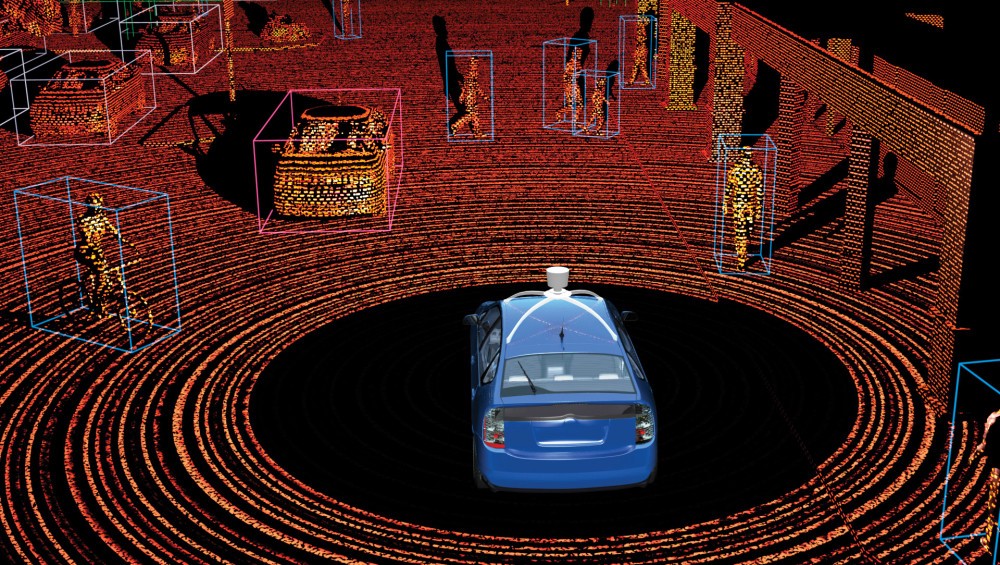
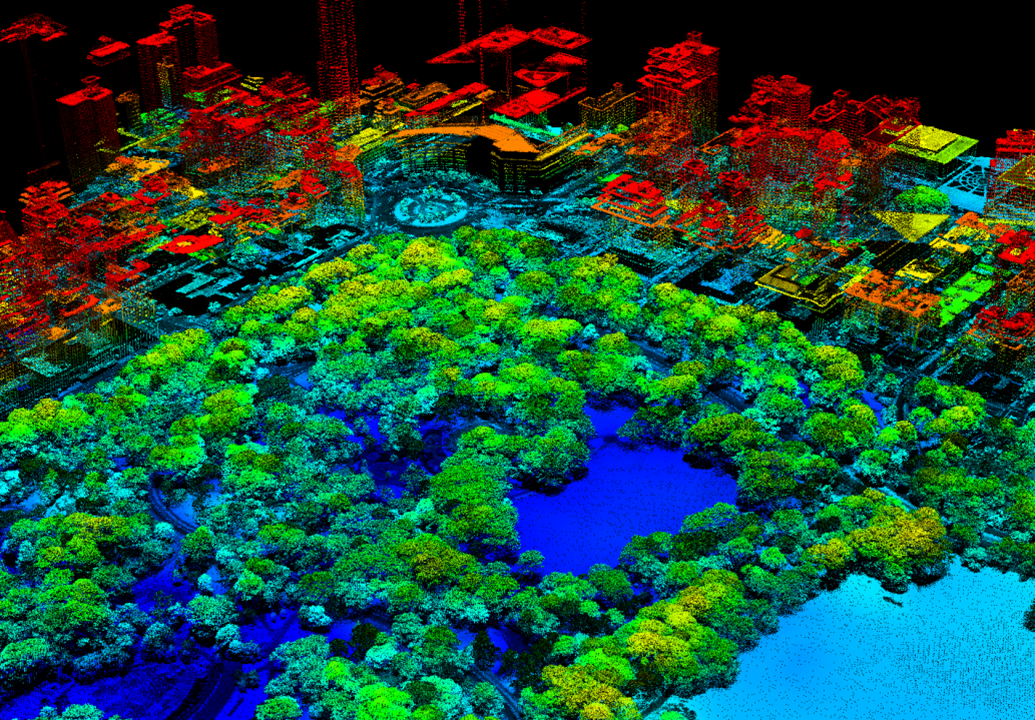
There are two different types of LiDAR systems: Terrestrial and Airborne. Airborne LiDAR are installed on drones or helicopters for deriving an exact measurement of distance, while Terrestrial LiDAR systems are installed on moving vehicles to collect pinpoints. Terrestrial LiDAR systems are often used to monitor highways and have been employed by autonomous cars for years, while airborne LiDAR are commonly used in environmental applications and gathering topographical data.
With the future in mind, here are the top LiDAR trends to look out for moving forward:
SUPERCHARGING APPLE DEVICES
LiDAR enhances the camera on Apple devices significantly. Auto-focus is quicker and more effective on those devices. Moreover, it supercharges AR applications by greatly enhancing the speed and quality of a camera’s ability to track the location of people as well as place objects.
One of the major apps that received a functionality boost from LiDAR is Apple’s free Measure app, which can measure distance, dimensions, and even whether an object is level. The measurements determined by the app are significantly more accurate with the new LiDAR scanner, capable of replacing physical rulers, tape measures, and spirit levels.
Microsoft’sSeeing AI application is designed for the visually impaired to navigate their environment, however, LiDAR takes it to the next level. In conjunction with artificial intelligence, LiDAR enables the application to read text, identify products and colors, and describe people, scenes, and objects that appear in the viewfinder.
BIG INVESTMENTS BY AUTOMOTIVE COMPANIES
LiDAR plays a major role in autonomous vehicles, relying on a terrestrial LiDAR system to help them self-navigate. In 2018, reports suggest that the automotive segment acquired a business share of 90 percent. With self-driving cars inching toward mass adoption, expect to see major investments in LiDAR by automotive companies in 2021 and beyond.
Beyond commercial applications and the automotive industry, LiDAR is gradually seeing increased adoption for geoscience applications. The environmental segment of the LiDAR market is anticipated to grow at a CAGR of 32% through 2025. LiDAR is vital to geoscience applications for creating accurate and high-quality 3D data to study ecosystems of various wildlife species.
One of the main environmental uses of LiDAR is for soliciting topographic information on landscapes. Topographic LiDAR is expected to see a growth rate of over 25% over the coming years. These systems can see through forest canopy to produce accurate 3D models of landscapes necessary to create contours, digital terrain models, digital surface models and more.
Mobile app marketing is an elusive and constantly evolving field. For mobile app developers, getting new users to install games is relatively cheap at just $1.47 per user, while retaining them is much more difficult. It costs on average $43.88 to prompt a customer to make an in-app purchase according to Liftoff. An effective advertising strategy will make or break your UI—and your bank. In 2019, in-game ads made up 17% of all revenue. By 2024, that number is expected to triple.
2020 was a year that saw drastic changes in lifestyle—mobile app users were no exception. What trends are driving app developers to refine their advertising and development tactics in 2021? Check out our rundown below.
Real Time Bidding
In-app bidding is an advanced advertising method enabling mobile publishers to sell their ad inventory in an automated auction. The technology is not new—it’s been around since 2015 when it was primarily used on a desktop. However, over the past few years, both publishers and advertisers have benefited from in app-bidding, eschewing the traditional waterfall method.
In-app bidding enables publishers to sell their ad space at auction. Advertisers simultaneously bid against one another. The dense competition enables a higher price (CPM) for publishers. For advertisers, bidding decreases fragmentation between demand sources since they can bid on many at once. In the traditional waterfall method, ad mediation platforms prioritize ad networks they’ve worked with in the past before passing it on the premium ad networks. In-app bidding changes the game by enabling publishers to offer their inventory to auctions which include a much wider swath of advertisers beyond the traditional waterfall.
Bidding benefits all parties. App publishers see increased demand for ad inventory, advertisers access more inventory, and app users see more relevant ads. In 2021, many expect in-app bidding to gain more mainstream popularity. Check out this great rundown by AdExchanger for more information on this exciting new trend.
Rewarded Ads Still King
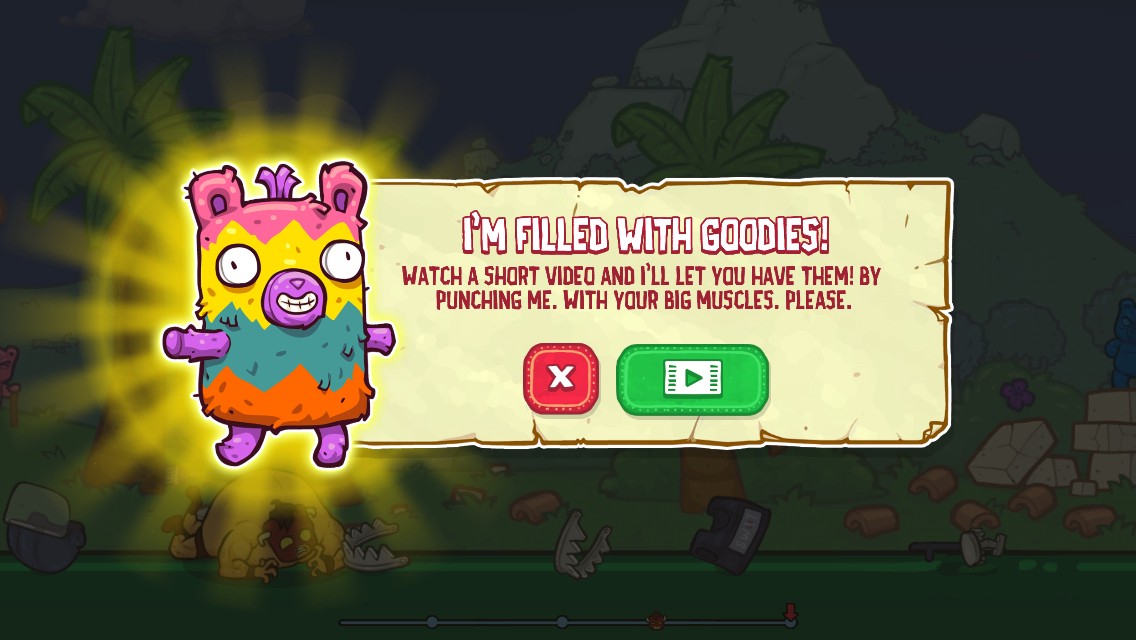
We have long championed rewarded ads on the Mystic Media blog. Rewarded ads offer in-game rewards to users who voluntarily choose to view an ad. Everyone wins—users get tangible rewards for their time, publishers get advertising revenue and advertisers get valuable impressions.
App usage data from 2021 only increases our enthusiasm for the format. 71% of mobile gamers desire the ability to choose whether or not to view an ad. 31% of gamers said rewarded video prompted them to browse for products within a month of seeing them. Leyi Games implemented rewarded video and improved player retention while bringing in an additional $1.5 million US.
Facebook’s 2020 report showed that gamers find rewarded ads to be the least disruptive ad format, leading to longer gameplay sessions and more opportunities for content discovery.
Playable Ads
Playable ads have emerged as one of the foremost employed advertising tactics for mobile games. Playable ads enable users to sample gameplay by interacting with the ad. After a snippet of gameplay, the ad transitions into a call to action to install the game.
The benefits are obvious. If the game is fun and absorbing to the viewer, it has a much better chance of getting installed. By putting the audience in the driver’s seat, playable ads drive increased retention rates and a larger number of high lifetime value (LTV) players.
As we are bombarded with more and more media on a daily basis, finding a way to deliver a concise message while cutting through the clutter can be exceptionally difficult. However, recent research from MAGNA, IPG Media Lab, and Snap Inc. shows it may be well worth it.
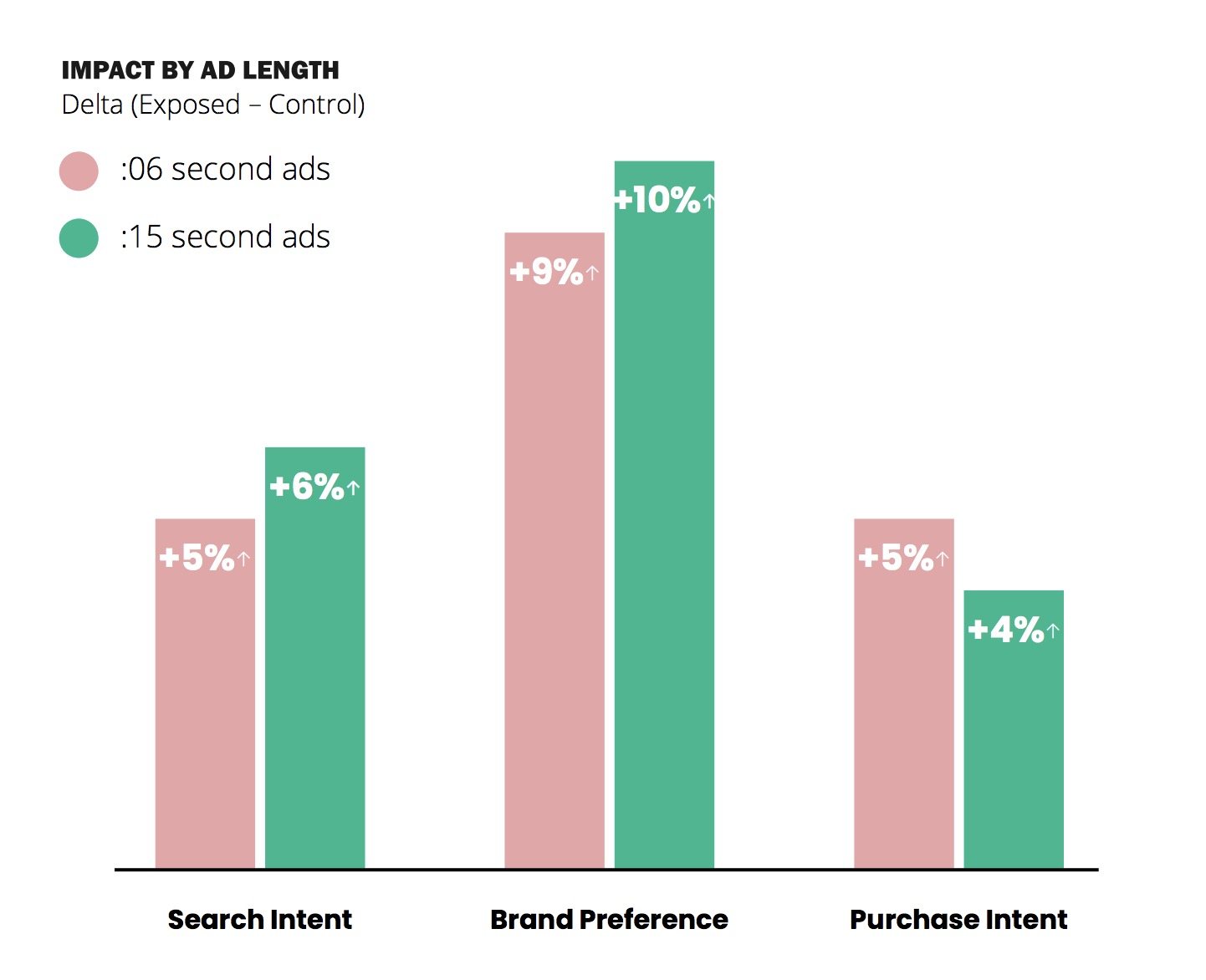
Studies show short-form video ads drive nearly identical brand preference and purchase intent as 15 second ads. Whereas short form ads were predominantly employed to grow awareness, marketers now understand that longer ads are perceived by the user as more intrusive, and they can get just as much ROI out of shorter and less expensive content.
Check out the graph below, breaking down the efficacy of 6 second vs. 15 second ads via Business of Apps.
Conclusion
Mobile advertisers need to think big picture in terms of both their target customer and how they format their ads to best engage their audience. While the trends we outlined are currently in the zeitgeist, ultimately what matters most is engaging app users with effective content that delivers a valuable message without intruding on their experience on the app.
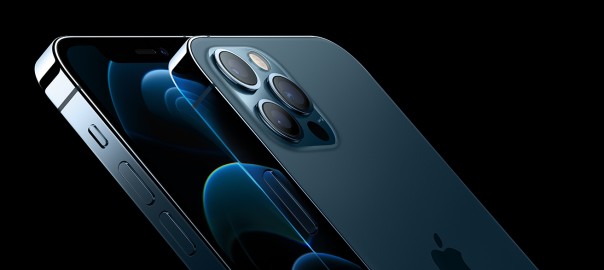
On October 23rd, four brand new iPhone 12 models were released to retailers. As the manufacturer of the most popular smartphone model in the world, whenever Apple delivers a new device its front-page news. Mobile app developers looking to capitalize on new devices must stay abreast of the latest technologies, how they empower applications, and what they signal about where the future of app development is headed.
With that in mind, here is everything app developers need to know about the latest iPhone models.
BIG DEVELOPMENTS FOR AUGMENTED REALITY
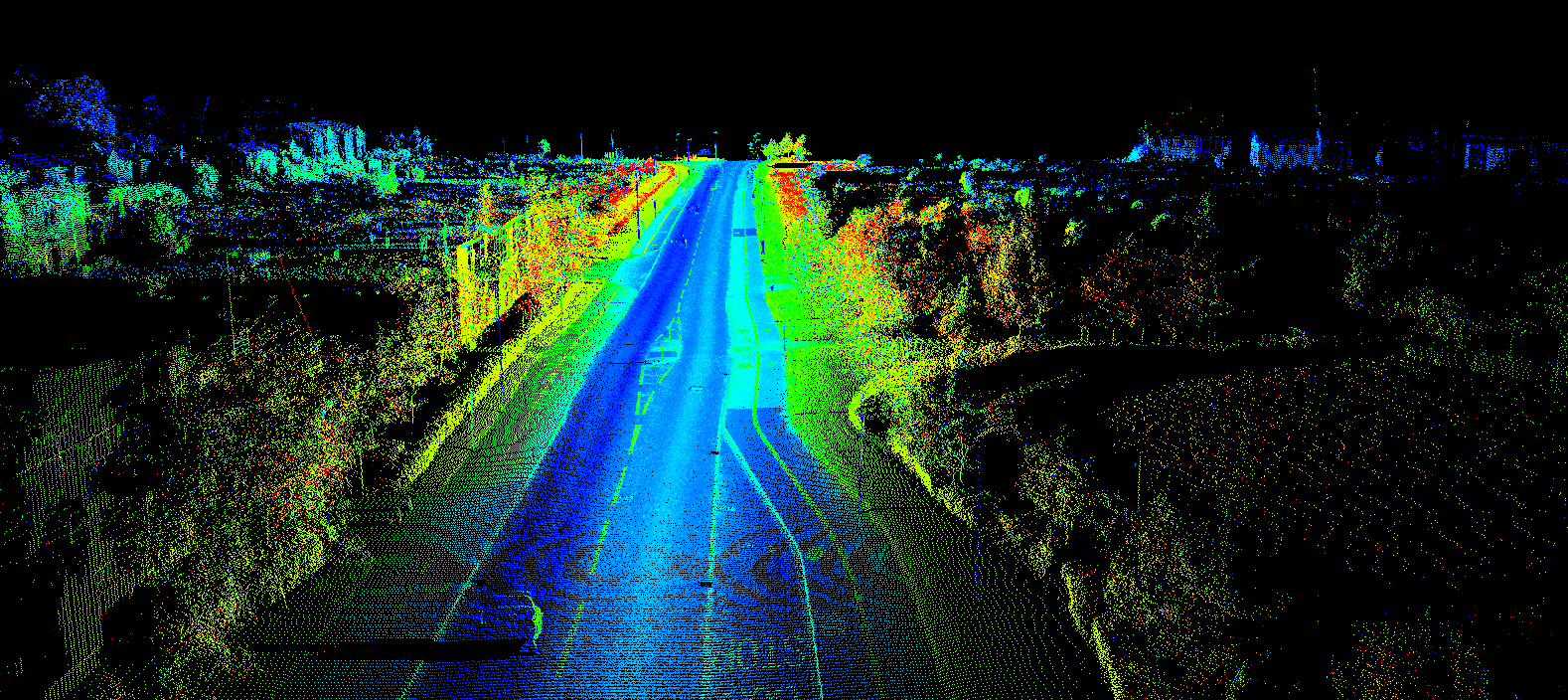
LiDAR is a method for measuring distances (ranging) by illuminating the target with laser light and measuring the reflection with a sensor
On a camera level, the iPhone 12 includes significant advancements. It is the first phone to record and edit Dolby Vision with HDR. What’s more, Apple has enhanced the iPhone’s LiDAR sensor capabilities with a third telephoto lens.
The opportunities for app developers are significant. For AR developers, this is a breakthrough—enhanced LiDAR on the iPhone 12 means a broad market will have access to enhanced depth perception, enabling smoother AR object placement. The LIDAR sensor produces a 6x increase in autofocus speed in low light settings.
The potential use cases are vast. An enterprise-level application could leverage the enhanced camera to show the inner workings of a complex machine and provide solutions. Dimly lit rooms can now house AR objects, such as Christmas decorations. The iPhone 12 provides a platform for AR developers to count on a growing market of app users to do much more with less light, and scan rooms with more detail.
The iPhone 12’s enhanced LiDAR Scanner will enable iOS app developers to employ Apple’s ARKit 4 to attain enhanced depth information through a brand-new Depth API. ARKit 4 also introduces location anchors, which enable developers to place AR experiences at a specific point in the world in their iPhone and iPad apps.
With iPhone 12, Apple sends a clear message to app developers: AR is on the rise.
ALL IPHONE 12 MODELS SUPPORT 5G
The entire iPhone 12 family of devices supports 5G with both sub-6GHz and mmWave networks. When iPhone 12 devices leverage 5G with the Apple A14 bionic chip, it enables them to integrate with IoT devices, and perform on ML algorithms at a much higher level.
5G poses an endless array of possibilities for app developers—from enhanced UX, more accurate GPS, improved video apps, and more. 5G will reduce dependency on hardware as app data is stored in the cloud with faster transfer speeds. In addition, it will enable even more potential innovation for AR applications.
5G represents a new frontier for app developers, IoT, and much more. Major carriers have been rolling out 5G networks over the past few years, but access points remain primarily in major cities. Regardless, 5G will gradually become the norm over the course of the next few years and this will expand the playing field for app developers.
WHAT DOES IT MEAN?
Beyond the bells and whistles, the iPhone 12 sends a very clear message about what app developers can anticipate will have the biggest impact on the future of app development: AR and 5G. Applications employing these technologies will have massive potential to evolve as the iPhone 12 and its successors become the norm and older devices are phased out.
The global market for VR and AR in retail will reach $1.6 billion by 2025 according to research conducted by Goldman Sachs. Even after years of growing popularity, effectively employed Augmented Reality experiences feel to the end-user about as explicitly futuristic as any experience created by popular technology.
While working as an associate professor at Harvard University, computer scientist Ivan Sutherland, aka the “Father of Computer Graphics”, created an AR head-mounted display system which constituted the first AR technology in 1968. In the proceeding decades, AR visual displays gained traction in universities, companies, and national agencies as a way to superimpose vital information on physical environments, showing great promise for applications for aviation, military, and industrial purposes.
Fast forward to 2016, the sensational launch of Pokemon GO changed the game for AR. Within one month, Pokemon GO reached 45 million users, showing there is mainstream demand for original and compelling AR experiences.
Cross-Promotions
Several big brands took advantage of Pokemon GO’s success through cross-promotions. McDonald’s paid for Niantic to turn 3,000 Japan locations into gyms and PokeStops, a partnership that has recently ended. Starbucks took advantage of Pokemon GO’s success as well by enabling certain locations to function as PokeStops and gyms, and offering a special Pokemon GO Frappucino.
One of the ways retailers can enter into the AR game without investing heavily in technology is to cross-promote with an existing application.
In 2018, Walmart launched a partnership with Jurassic World’s AR game: Jurassic World Alive. The game is similar to Pokemon GO, using a newly accessible Google Maps API to let players search for virtual dinosaurs and items on a map, as well as battle other players. Players can enter select Walmart locations to access exclusive items.
Digital-Physical Hybrid Experiences
The visual augmentation produced by AR transforms physical spaces by leveraging the power of computer-generated graphics, an aesthetic punch-up proven to increase foot traffic. While some retailers are capitalizing on these hybrid experiences through cross-promotions, others are creating their own hybrid experiential marketing events.
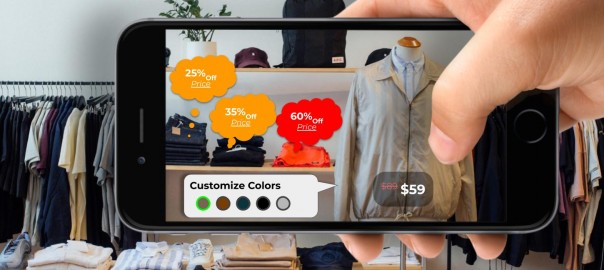
AR also has proven potential to help stores create hybrid experiences through indoor navigation. Users can access an augmented view of the store through their phones, which makes in-store navigation easy. Users scan visual markers, recognized by Apple’s ARKit, Google’s ARCore, and other AR SDKs, to establish their position, and AR indoor navigation applications can offer specific directions to their desired product.
Help Consumers Make Informed Choices
AR is commonly employed to enrich consumers’ understanding of potential purchases and prompt them to buy. For example, the “IKEA Place” app allows shoppers to see IKEA products in a superimposed graphics environment. IKEA boasts the app gives shoppers 98% accuracy in buying decisions.
Converse employs a similar application, the “Converse Sampler App”, which enables users to view what a shoe will look like on their feet through their device’s camera. The application increases customer confidence, helping them make the decision to purchase.
Treasury Wines Estates enhances the consumer experience with “Living Wine Labels”: AR labels that bring the history of the vineyard to life and provide users with supplementary information, including the history of the vineyard the wine came from and tasting notes.
Conclusion
AR enables striking visuals that captivate customers. As a burgeoning tool, AR enables companies to get creative and build innovative experiences that capture their customers’ imagination. Retailers who leverage AR will seize an advantage both in the short term and in the long term as the technology continues to grow and evolve.
The global gaming market is estimated at $152 billion, with 45% derived from mobile games. The mobile game market is constantly evolving, new tactics and even platforms, like Apple Arcade, are being introduced. As a mobile game developer, being dynamic and staying up on the latest trends is of the utmost importance. Staying on top of these trends will help make a more engaging and profitable mobile game.
Keeping this in mind, below are the top freemium tactics of 2020:
RETENTION IS (STILL) KING
Mobile game developers must remember that freemium games begin and end with a good retention strategy that keeps users engaged.
Daily Tasks: Set-up daily tasks that pass the Starbucks Test. One of them can be opening the app on a daily basis. These should be fairly simple to complete and offer a reward, encouraging users to integrate gameplay into their daily lives.
Rewards Pack on User Birthdays: Give users some kind of bonus on their birthday to enrich their personal relationship with the game.
Challenge Dormant Users: After 3 days, give users a special, temporary challenge to reengage them with the app. Temporary promotions can be an effective way to instill a sense of urgency in the call-to-action and trigger users to open the app.
Promotion Before Subscription/Free Trial Ends: Tempt the user to sign-up or to extend their subscription by offering a temporary promotion 24-48 hours before their free trial/subscription ends.
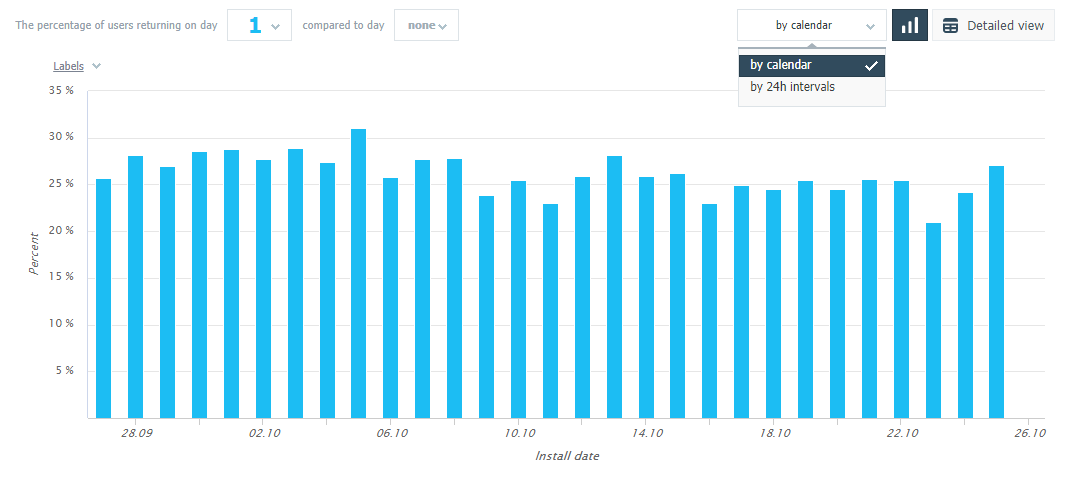
Retention can also be tracked hourly instead of daily where Day 1 Retention will be the percentage of users who returned within 24-48 hours from the install. Here’s how it might look in analytics systems such as devtodev (via The Tool):
OUTSTREAM VIDEO ADS
Outstream Video is a new type of video ad unit, referred to sometimes as “native video”, designed for targeting mobile users.
Outstream Video ads do not require placement within a Youtube video. They play with the sound off on mobile screens when more than 70% of the ad is visible. The user can tap the ad to turn the sound on and restart the video from the beginning, or they can continue scrolling. When less than 70% of the ad is visible, the video pauses.
When it comes to monetizing a mobile game through advertising, rewarded ads remain at the top of the food chain. A recent survey of app publishers asked what their most successful monetization method was. Rewarded Video Ads won with 75% of the vote.
By offering users some kind of in-game reward, such as an extra life, a bonus item, or a new avatar, app developers can improve UI and engagement while encouraging ad views without bothering the user. Rewarded ads remain the ad unit with the highest earning potential.
LOOT BOXES
A loot box is a randomized box of in-game prizes. Users pay for an in-app purchase, but there is no guarantee of whether it will contain gold or pennies, the user has to make the decision to purchase in exchange a random reward. While this tactic is somewhat controversial in Europe where Belgium and the Netherlands have cracked down and labeled it gambling, it remains a popular tactic. Loot boxes are particularly effective for Whales, wealthy mobile game users who will readily pay to improve their performance in the game.
SELL YOUR DATA
The collection and sale of data is a massive industry. If your app offers the technical means to collect user-generated data such as geolocation, it may be worth it to acquire user consent to license that data.
Applications like Waze & Foursquare receive community-generated data from their users and effectively leverage it to monetize their applications. Waze licenses data to businesses placing location-based ads, whereas Foursquare licenses point of interest geolocation data to Google & Apple for their first party GPS apps Apple Maps & Google Maps.
CONCLUSION
It is important to keep in mind that monetization is the icing on the cake—without an engaging game that hooks users, there will be nothing to monetize. However, making key decisions in the development process with the monetization strategy in mind will *literally* pay off in the long run.
A recent study conducted by AppKnox concluded that out of 100 top E-commerce apps, 95% failed basic security testing, 68% had four or more loopholes present in them, and 68% of apps were diagnosed with high severity threats.
Some of the most popular applications, including WhatsApp, Pokemon Go, and Facebook Messenger, are among the most frequently blacklisted among top enterprises due to the security risks they pose.
As a mobile app developer, security can lead to disaster for both your business and your consumers. Here are our top security tips for 2019:
TESTING AND CODE OPTIMIZATION
The two most important processes for building a secure app are extensive testing and constant refinement of code.
Disorganized code often causes data security risks. Minify code to ensure it is clean and concise and does not burden the application. When coding, think like an attacker and address any vulnerability a hacker could use to penetrate your application. Use libraries that show coding errors to ensure you catch security risks.
By budgeting for a rigorous testing and quality assurance process from the outset of the application development process, software developers ensure their applications will be thoroughly secure. Do not allow time-constraints getting a product to market to interfere with this crucial step. Test for functionality, usability, and security. Test, test, and test some more.
SECURE YOUR APIs
Enterprise developers are relying on application programming interfaces (APIs) more than ever, posing additional security requirements. API development and mobile app development share security considerations. Any vulnerability in an API is a vulnerability in the applications that the API connects. Solve potential headaches with the following tips:
Ensure all APIs integrated in your app are optimized for security.
Monitor all add-on software carefully to ensure that they do not present any system vulnerabilities.
Budget time to test the security of your APIs as well.
By collecting as little data as possible and minimizing permissions, app developers limit vulnerable attack points on their app. If the app does not require access to the camera or contacts, don’t request it. The same sentiment can be applied to data: make sure users are aware of what data your application is collecting from them and only collect user data that is vital to the application’s functionality.
INTEGRATE A SECURITY TEAM FROM DAY ONE
Incorporating a dedicated security team from the inception of the development process on will ensure that the application has a cohesive security strategy intertwined with app functionality. Bringing the security team in from day one will minimize vulnerabilities that otherwise may slip through the cracks if they are brought on later in the process.
PROTECT CONSUMER DATA
Consumer data is generally the most vulnerable element for any app. The higher the volume of consumer data, the more there is for hackers to steal. In addition to limiting data collections, app developers should look into new data encryption technologies and biometric authentication. Decentralized database technology like the blockchain cryptology are among the most high-tech data protection measures tech companies can undertake.
In order to maintain secure environments, app developers must stay constantly stay up-to-date on the latest security technologies. Reading tech publications and maintaining awareness of the latest trends will ensure your enterprise is ready to integrate with tomorrow’s tech.
App developers looking to witness what Machine Learning can do to improve UI should take note of Android 9.0 Pie. First announced in March 2018, Android P was made public in August 2018. Android 9.0 marks a major overhaul of the Android OS focusing on UI and integrating Artificial Intelligence to optimize user experience.
AI HELPS ANDROID PIE HELP YOU
Android’s latest OS takes a big step forward integrating AI into the UI. The Android website advertises that “Android 9 Pie harnesses the power of AI for a truly intuitive experience”.
One of the major implementations of AI in Pie is called App Actions. Android 9.0 monitors your routines, processes data, and offers predicted actions directly in the phone’s app launcher when appropriate. For example, it can recommend a song to you on Spotify when you’re on your morning commute. Android has focused on quality over quantity with regard to App Actions and they are startlingly accurate—when it has enough data collected on how you use your phone, often it predicts exactly what you do next.
In addition to App Actions, Android Pie also offers Adaptive Battery and Adaptive Brightness. Android teamed up with the AI company DeepMind to create Adaptive Battery, an AI-based program that learns how you use your phone and optimizes usage so that inactive apps and services don’t drain the battery. Adaptive Brightness learns your preferred brightness settings and automatically adjusts them to your liking.
Those concerned with privacy should note that Android has stated that all machine learning is happening on the device rather than in the cloud.
ANDROID ADOPTS GESTURES OVER BUTTONS
Perhaps the biggest UI overhaul is the transition from buttons to gestures. Android P is following the iPhone X’s lead in using gestures rather than buttons. This means UI is very home-screen button centric. The overhaul may be jarring to some. Luckily, app users can have it both ways as gesture navigation is adjustable in the phone’s settings.
Check out the video breakdown of the differences between Apple iPhone X and Android P gestures below.
THIS PIE’S GONNA HAVE SLICES
Android has announced App Slices in Android Pie, but has yet to unveil them at this time. When you search for an app on Android, the app icon comes up. With App Slices, Android will not only pull up the icon, but will pull up actual information within apps and allow you to interact with the app directly within the search results. For example, if you search for Uber, it may bring up time & price estimates to go to commonly frequented locations and allow you to set a pick-up without having to open the app directly.
Android Slices present a great opportunity for app developers to create shortcuts to functions in their app. They also constitute the beginnings of Google’s approach to “remote content.” Learn more about Slices below:
APP LIMITS FOR ENCOURAGING HEALTHY USE
Addicted to your phone? Android P not only tracks the amount of time you spend on your phone, it allows users to set time limits for how long an app can be used for a day. App Time Limits prevent you from opening apps when you’ve gone over your limit with no option to ignore—the only way to access them again for the day is to turn the time limit off from the Settings page.
HUNGRY FOR PIE?
As with all Android OS’s, Android Pie will have a staggered release across devices. As of November 2018, it is available on Pixel phones as well as The Essential Phone.
Meanwhile, Android Pie is anticipated to be rolled out on many other phones by December 21st. For a comprehensive, frequently updated breakdown, check out Android Central’s list of the expected roll out dates for each phone manufacturer.
As our past article Android Oreo Serves Up the Sweets will show, Android Oreo lived up to expectations upon release and gave both consumers and app developers plenty of enhancements to enjoy.
However, for app developers, enhancements to the UI aimed to conserve battery life affect GPS services and require changes to the code in order to optimize pre-existing apps for the new OS. Specifically, Android Oreo restricts apps that are running in the background with limited access to background services. Additionally, apps can no longer use their manifests to register for most implicit broadcasts. When an app is in the background, it is given several minutes to create and use services, but at the end of that time slot, the app is considered idle and the OS will stop running background services.
These changes directly affect apps with geolocation functionality. Android Oreo limits how frequently apps can gather location in the background. Background apps can only receive location updates a few times each hour. The APIs affected due to these limits include Fused Location Provider, Geofencing, Location Manager, Wifi Manager, GNSS Measurements and GNSS Navigation Messages.
Apps that currently use location services in previous Android OS’s will require an update to optimize for Android Oreo. Apps that use location services range anywhere from navigational apps like Waze and Google Maps to social media apps like Twitter, and food apps like Yelp and Seamless.
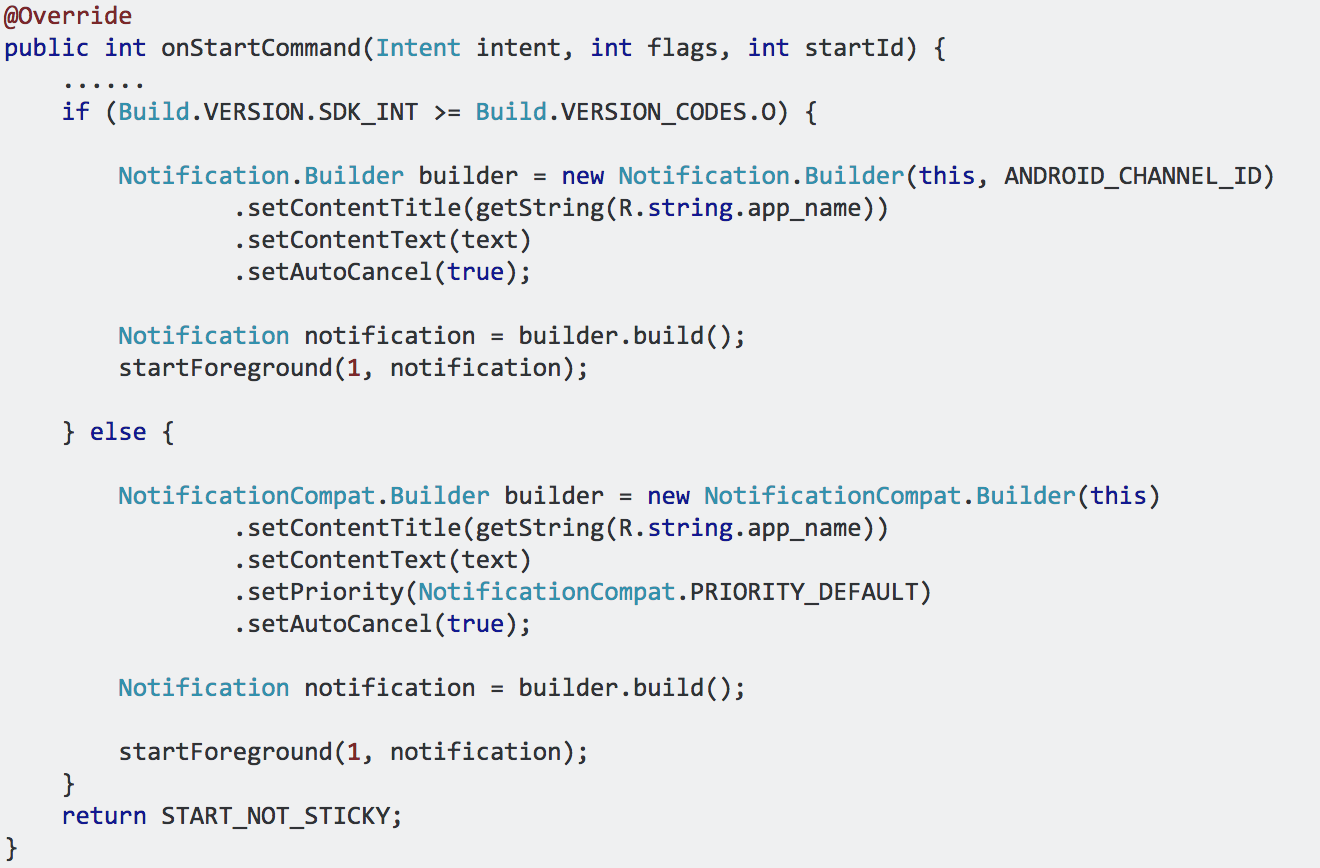
For apps that require frequent location updates, increasing the usage of the app in the foreground will ensure that the app gets frequent access to location information. In order to program this, developers must implement startServiceinForeground() instead of startService() in Activity class.
In Service class in onStartCommand(), developers can use the following code:
When foreground services running in the background consume high energy, Oreo fires an automatic push notification to the user informing them of the battery-consuming service. With the push notification in place, app users are more likely to uninstall apps that track location without conserving battery life, putting the onus on software developers to deliver battery-efficient apps. One of the biggest issues facing some app developers is ensuring that battery life is not sucked as a result of tracking location in apps. Check out our full rundown of how to build battery-efficient geolocation apps for supplementary reading.
The results of the limits put in place with Android O are increased battery life for the user and the necessity for app owners to consider how their apps interact with location information. Retaining a thorough understanding of how location information will be retrieved and used through out the development process ultimately benefits both software developers and consumers with better UI and more energy efficient processes.
In November 2014, cybercriminals perpetrated one of the biggest cybercrimes of the decade. They hacked into Sony’s computer systems, stole sensitive data, paralyzed the company’s operations, and gradually leaked embarrassing information to the media. The hackers threatened to continue until Sony agreed to pull the controversial comedy The Interview from its theatrical release.
As the headlines will tell you, the encryption of sensitive data is one of the most important investments a company can make. Facebook is currently under heat for data protection practices. The UK National Crime Agency called WannaCry a signal moment for awareness of cyberattacks and their real world impact. With the stakes higher than ever, the encryption of sensitive data in apps has never been more important.
Here are our top tips on how to safely encrypt sensitive data in your mobile app.
TIP #1: Coding and Testing
Writing secure code is fundemental to creating a secure app. Obfuscating and minifying code so that it cannot be reverse engineered is critical to keeping a secure environment. Testing and fixing bugs when they are exposed should be an ongoing investment of resources as it will pay off in the long run.
Tip #2: Scramble Data
Sometimes, the best method of encrypting data is scrambling. Software and web developers often become obsessed with storing every bit of data in databases and logs, assuming it may be useful later, but doing so can create a target for cybercriminals.
Cunning developers will only store a scrambled version of the data, making it unreadable to the outside eye, but still useful for those who know how to query it correctly.
There are two types of data to be encrypted: in transit data and at rest data. In transit data is moving data, be it in transit via email, in apps, or through browsers and other web connections. At rest data is stored in databases, the cloud, computer hard drives, or mobile devices. In transit data can be protected through the implementation of robust network security controls and firewalls. At rest data can be protected through systematically categorizing and classifying data with data protection measures in mind.
Tip #4: Secret Vs. Public Key Algorithms
Secret Key Algorithms are algorithms that use the same key for encryption and decryption. Public-key algorithms us two different encryption keys, one for encryption and the other for decryption. The public key is how the data is sent and the private key decodes it. Public-key algorithms are more secure, but require more computer processing power.
Tip #5: Blockchain Cryptography
We’ve covered the Blockchain in our past article on The Revolutionary Mechanics of the Blockchain. Blockchain cryptography has been on the rise because blockchain databases are distributed and thus more resilient in the face of a DOS attack.
Tip #6: Apps that Clean Up after Themselves
Apps that collect sensitive information don’t necessarily need to store it. It is wise to delete sensitive data from mobile apps when the data is no longer in active use.
Tip #7 Choose the Right Algorithm
There are several popular pre-existing algorithms in existence that can be used to encrypt sensitive data in mobile apps. Check out UpWork’s awesome rundown:
Over the last 10 years, enterprise-wide use of encryption has jumped by 22 percent according to the Ponemon Institute. When building a mobile app, investing in encrypting sensitive data will pay off in the long run and haunt those that short-change it.
Customer Reviews
                  Mike Voseipka  2024-05-24   Trustindex verifies that the original source of the review is Google. We partnered with Mystic Media to develop our web app.  They were fantastic to work with right from the start.  They truly are a partner and have our success as a top priority.  Chris is great to work with, very responsive, organized, transparent and his teams have done a top notch job with our web app.  We will continue to work with Chris and his team moving forward.              Dallin Henrie  2024-02-08   Trustindex verifies that the original source of the review is Google. I would recommend Mystic Media for software development. This was my first experience in needing some customized software tools. Despite my non-tech background, they guided me through the process with clear communication and responsive support. The final product exceeded my expectations, and their ongoing maintenance ensures smooth operation. The longer I've continued to work with them, the more impressed I am with their attention to not just finish a job, but to ensure that things continue running well.              Travis Wilcox  2024-02-06   Trustindex verifies that the original source of the review is Google. The team at Mystic Media has been excellent!  From day one, they have been like a partner instead of a vendor.  Their team is very professional and has worked hard to help us be successful.  Our project was complicated and required software and hardware components working together.  The team tackled each piece and delivered a great product of which we can be proud.  We are very happy to have worked with Chris and team and we hope to have a long and fruitful relationship going forward!              KT Tape  2023-09-06   Trustindex verifies that the original source of the review is Google. We worked with Mystic Media to build an iOS and Android app for our business.  We had a separate partner do the UX/UI, and Mystic was responsible for Development and launch of the app.

Their team was good to work with - the quality of development was high, we've had very low crash rates post app launch, and they built what we designed, very true to the intent of the UX.  I would also callout that we had some inevitable design/functionality changes.  When that happened, the Mystic team was responsive to changes and creative in helping us figure out how to solve them while being careful with our budget.

We also used Mystic to create the images & videos used in our app store listings and for paid digital/social ads for the app launch.  They did well revising creative with our feedback, delivering the needed assets on time, and getting us live!

The Mystic team has also been responsive to feedback.  We had some challenges with the ticket system, they've helped us resolve those pretty quickly and have been very open & responsive to that process feedback.

Would recommend!              Brianna Forrest  2023-06-07   Trustindex verifies that the original source of the review is Google. My company used Mystic Media to develop a database to organize daily observations from pollution control equipment. Mystic Media was responsive to specific user needs throughout the project. The resulting database has a great user interface, is easy to use, and is organized efficiently. The database allows quick set-up of new users, plants, and control equipment and can easily be queried for a given timeframe. You can tell their products are developed with the needs of the end user in mind! It has been easy to work with Mystic Media and they always explained issues at a level I was able to understand. We would not hesitate to use Mystic Media in the future and, in fact, we plan to!              Nick Uthe  2022-08-09   Trustindex verifies that the original source of the review is Google. I had an excellent experience working closely with Christopher Silvestro and Mystic Media over the course of a year to develop the Bean There Camping App! We were happy to find a local dev agency since our app project was put on by Bean Trailer here in Salt Lake City, Utah. Starting out we had the UI and other plans cooked up and handed the backend project off to Mystic to get us into the Apple and Google Play Store. Mystic Media hit all of our deadlines, had great communication, and overall was a great partner to execute the job with. Overall, Chris's forward thinking approach and professionalism made our experience working together a breeze. Thank you to Chris and the Mystic Media team, we appreciate you!              Danielle Noel  2022-07-21   Trustindex verifies that the original source of the review is Google. Mystic Media has been amazing to work with. Their team has incredible attention to detail and they always complete tasks in a timely manner. Their processes are organized and methodical. They are very knowledgeable in their craft. They give prompt and frequent progress/timeline updates during projects to avoid any surprises. We appreciate the clear communication! Chris promptly calls whenever an issue arises. Instead of acting as a traditional “vendor”, they are a true partner to our business and an invaluable asset. We wouldn't hesitate to recommend them to anyone              Carl Goodman  2021-06-21   Trustindex verifies that the original source of the review is Google. Great folks to work with.  They were very knowledgeable about mobile apps, were efficient, and professional              Russell Taylor  2021-06-13   Trustindex verifies that the original source of the review is Google. Great company and great experience. Mystic Media has the knowledge and flexibility to help on such a diverse range of projects. I am a current customer and I look forward to many more partnerships with Mystic in the future. I’m forever grateful for their creative abilities, technical expertise, and awesome advice.